
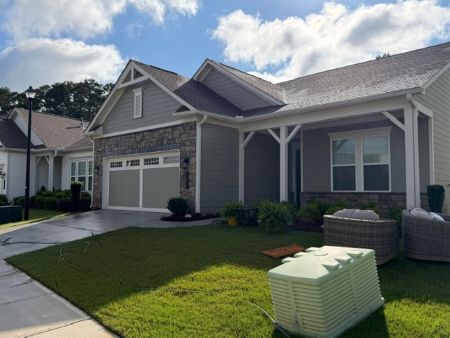
The Alabama Homeowner’s Guide to Prepping Siding for Pollen and Storm Seasons
Spring pine pollen and late-summer humidity make exterior care a real challenge across Alabama, especially here in Roanoke. If you want a clean, healthy exterior without risking paint or mortar, professional house washing is the safest path. Our local climate loads your siding with sticky pollen in March and April, then feeds green algae and mold when the air turns heavy in August and September.
That is why many neighbors in Roanoke, Wedowee, Woodland, and Five Points plan ahead and book a gentle soft-wash before buildup sets in. To see how our team protects paint, mortar, caulk, and trim, explore our house washing service and use this guide to time your cleanings for the best results.
Why Alabama Homes Need Seasonal House Washing
Pine pollen coats everything a dusty yellow in early spring. When it gets wet, it clings to siding texture, window seals, and trim lines. If left alone, it can shadow bright caulk and stain porous surfaces. Later, long, hot afternoons and pop-up storms raise moisture that fuels green growth on north and shaded walls. Brick, vinyl, and fiber cement all react differently, so a one-size-fits-all approach can cause damage.
Professional exterior house cleaning services use low pressure and purpose-made detergents that lift pollen film, break down bio-growth, and rinse clean without etching paint. The goal is a safe, lasting clean that looks sharp and also helps protect your investment.
House Washing in Roanoke, Alabama: The Seasonal Timeline
Use this simple calendar to plan service and prevent organic growth from setting into caulk and trim. Exact timing varies by shade, trees, and storm activity, but this rhythm works for most homes in east‑central Alabama.
- Late Winter (Mid‑February to Early March): Book an early-season wash if last year’s growth lingered. This creates a clean base before pollen sticks.
- Peak Pollen (Late March to Mid‑April): Heavy pine pollen is falling. Hold off on a full wash and schedule for right after the drop so residue does not bond to paint lines.
- Post‑Pollen (Late April to May): Ideal window for a full soft‑wash. Removing pollen film now helps stop early algae blooms.
- High Heat (June to July): Inspect shaded sides and under eaves. If you see green tint or black specks, plan a mid‑summer maintenance wash.
- Humidity and Storms (August to September): After pop‑up storms and tropical rain, algae can surge. A targeted wash keeps growth from creeping onto caulk and trim.
- Leaf Drop and Holidays (October to November): A late‑fall freshen-up tidies splash-back stains and readies the home for guests.
Local insight: In Randolph County, red clay splash-back can leave orange stains along the lower brick or vinyl runs after summer downpours. Treating it during your scheduled soft-wash is more effective than waiting until spring.
What Different Siding Materials Need
Alabama neighborhoods mix traditional brick with newer vinyl and fiber cement (Hardie). Each surface needs a tuned process to clean well and stay safe.
- Brick and Mortar: High pressure can erode joints and force water into weeps. A soft-wash that neutralizes algae is the safer choice for lasting curb appeal.
- Vinyl Siding: Vinyl holds pollen and mildew in its laps. A low-pressure rinse paired with a detergent that breaks organic film prevents streaks and warping from heat.
- Fiber Cement (Hardie): Painted fiber cement needs a gentle, pH-matched mix. The wrong cleaner can dull the finish or leave blotches.
- Painted Wood and Trim: Aging paint and flexible caulk lines stain fast during summer humidity. A careful soft-wash helps keep edges bright and prevents permanent shadowing.
Soft‑Wash Safety: Why the Blend Matters
A true soft-wash is not just “low pressure.” It is a measured blend that targets algae and mold, loosens pollen film, and protects coatings. The mix and dwell time change for brick, vinyl, and Hardie, and even vary by paint sheen and age. Using too much pressure risks etching paint and opening paths for moisture. Too little cleaning power leaves organic growth behind, and it returns fast.
Our technicians tailor the solution based on surface, shade, and recent weather. We rinse with care so plants, soffits, and window seals are protected. This is the difference between a quick blast and a professional clean that holds up through the season.
Signs It Is Time To Schedule A Professional Wash
You do not need to wait for a full green film to show up. These early cues tell you growth is active and starting to stain trims and seams:
- Shadows or streaks along white caulk lines and window frames after a wet week
- Light green haze on the north or shaded walls
- Orange or rust‑colored splash at the foundation from red clay
- Black specks under soffits or around downspouts after storms
- Musty smell near shaded porches or brick steps
If you see any of these, plan a soft‑wash soon. A timely service breaks the cycle and keeps stains from setting in.
How Timing Protects Paint, Caulk, And Trim
Pollen acts like a sticky primer when it gets wet. On sunny days it bakes into small pores, and on humid nights it feeds algae. By washing right after the pollen drop, you reduce the chance of permanent caulk shadowing and limit growth that etches paint over summer. A second service during peak humidity, if needed, protects shaded walls where airflow is weak.
Homes near creeks, low lots, or woods see faster regrowth because shade and moisture linger. Planning service just before the muggiest stretch helps keep those areas bright while the air is thickest.
Neighborhood Weather Patterns Around Roanoke
Roofs and siding along tree-lined streets west of Main Street see earlier pollen buildup, while open lots toward Highway 22 often deal with wind-blown dust after storms. Around Lake Wedowee, extra humidity can make the north sides turn green first. Knowing how your block behaves helps fine‑tune the schedule so your wash lasts longer.
Choosing A Pro For Exterior House Cleaning Services
Look for a team that specializes in soft washing and adjusts blends by surface. Ask about plant protection, low‑pressure application, and gentle rinsing. A trustworthy provider explains what they will use on your brick vs your Hardie, and how they will shield caulk and trim. That clarity builds confidence and delivers a clean that holds up through Alabama’s wettest months.
When you are ready, you can learn more about process and scheduling by browsing professional house washing details and selecting a time that lines up with your neighborhood’s pollen and humidity cycle.
The Best Time Of Year To Wash A House In Alabama
Homeowners often ask about the best time of year to wash a house. In our climate, the sweet spots are late April to May and again in late August to early September, with adjustments for shade and storm activity. These windows remove sticky pollen before it bonds and stop late‑summer growth before it spreads across trims and seams.
For many properties, a once‑a‑year visit right after pollen is enough. Shaded lots or homes close to woods often benefit from a second visit as humidity peaks. This cadence keeps vinyl fresh, preserves painted Hardie color, and prevents algae from biting into mortar.
Get A Clean That Lasts In Roanoke, Alabama
Ready to protect your brick, vinyl, or fiber cement and keep stains off your caulk and trim? Start with a season‑smart plan and a careful soft‑wash. If you are comparing options for house washing in Roanoke, Alabama, Bennett Power Wash is local, responsive, and focused on safe results that last through our toughest months.
Call 334-646-9806 to set your spot on the calendar or request a time online. We will help you choose the right month, match the soft‑wash blend to your siding, and leave your home looking its best for the season ahead.


